Modern Abstract Shapes: A Designer’s Real-World Review
First Impressions: Bold, Versatile, and Surprisingly Adaptable
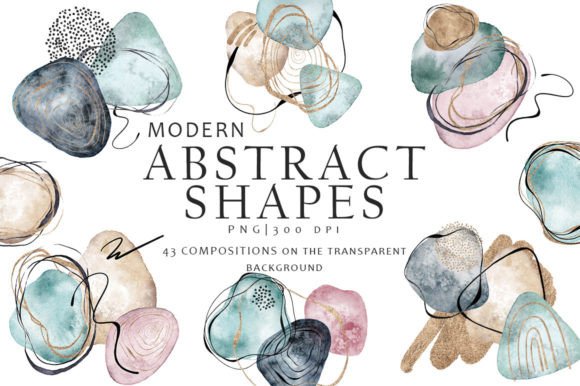
When I first opened the Modern Abstract Shapes embroidery design, I was struck by how effortlessly it balances simplicity and visual intrigue. It’s not flashy, but it doesn’t need to be. The design leans into clean lines, geometric flow, and a sense of movement that feels both current and timeless. As someone who regularly tests embroidery files for client work and small-batch handmade items, I immediately saw potential for use in a variety of projects—from boutique apparel to personalized home goods.
Real-World Use: From Sweatshirts to Nursery Decor
I decided to test the design on a few different items I had in progress. First up: a custom embroidered tote bag for a client who wanted a subtle but modern accent. I placed the Modern Abstract Shapes design on the corner of the tote in a neutral thread color. The result? Clean, understated, and exactly what the client had in mind. The abstract nature of the design allowed it to blend into the background without feeling lost.
Next, I tried it on a baby onesie. I was curious how the shapes would translate on a smaller scale and whether they’d hold up on a thin, stretchy fabric. I used a lightweight stabilizer and chose a soft contrast thread. The stitch-out was crisp, and the design added a unique, artistic touch without overwhelming the tiny garment. It felt like a designer detail that would stand out in an Etsy listing or boutique gift set.
Where It Shines: Commercial Appeal and Digital Mockups
One of the most promising aspects of Modern Abstract Shapes is its adaptability for both personal and commercial embroidery projects. I tested it in a digital mockup for a small shop selling embroidered sweatshirts. Placed subtly on the chest or sleeve, the design elevated the look of the garment without competing with logos or text. For Etsy sellers and craft entrepreneurs, this is gold—it gives a professional edge without requiring complex customization.
I also tried it as a background element in a printable mockup pack for a client launching a line of embroidered pillow covers. The abstract nature of the design allowed it to be layered under text or other graphics without visual conflict. It read well in both color and grayscale, making it a solid choice for previewing on product listing pages.
Performance on Different Fabrics and Sizes
I ran the design through a few different fabric types to get a sense of how it behaves. On a thick cotton canvas for a tote bag, it stitched out beautifully with standard tear-away stabilizer. The shapes remained crisp and the spacing between elements didn’t close in or distort.
On a stretchy knit for a custom sweatshirt, I switched to a lightweight cutaway stabilizer and reduced the tension slightly. The result was still strong—no puckering, and the abstract forms kept their intended shape. However, I noticed that on very dark fabrics, some of the finer lines got a bit lost unless I used a contrasting thread. Something to consider if you’re aiming for high visibility.
Where to Use with Caution
While the design holds up well in many applications, there are a few situations where you’ll want to test first:
- Small hoop sizes: The more intricate abstract shapes may lose definition if scaled down too far.
- Textured or thick fabrics: Some of the subtler lines can disappear into the fabric weave.
- Curved surfaces: Like on caps or mugs, where distortion is common, test the stitch-out to avoid warped shapes.
- Dark backgrounds: Consider thread color contrast to maintain visual clarity.
- Layered garments: Ensure the design isn’t placed over seams or bulky areas that could affect stitch quality.
Design Notes for Embroidery Professionals and Sellers
If you’re a small business owner or Etsy seller working with Modern Abstract Shapes, here are a few practical tips to get the most from the file:
- Test on scrap fabric first, especially if you’re using it on a new material or hoop size.
- Check thread color contrast to ensure the abstract lines stand out clearly, especially on patterned or dark fabrics.
- Review stitch density to avoid issues on stretchy or thin materials.
- Confirm hoop size compatibility before stitching out on a finished product.
- Inspect small details like corners and connecting lines—some abstract elements may need slight adjustments for clarity.
- Test in black and white mockups to see how it translates without color cues.
- Use the right stabilizer for your fabric type—especially important for stretchy or textured materials.
- Check licensing if you’re selling finished products or digital mockups that include the design.
Final Thoughts: A Thoughtful Addition to Your Design Kit
Overall, Modern Abstract Shapes is a versatile, well-constructed embroidery file that brings a modern edge to a wide range of products. Whether you’re embroidering custom apparel, creating digital mockups for a product launch, or designing boutique-style patches and totes, this design adapts well and enhances the finished piece without overpowering it.
As a designer who regularly evaluates embroidery files for real-world use, I appreciate how this one balances artistic expression with practical application. It’s not just another decorative element—it’s a flexible design asset that works well across different projects and customer preferences. Just be sure to test it in your specific use case before committing to a full run, especially if you’re working with tricky fabrics or smaller hoop sizes.