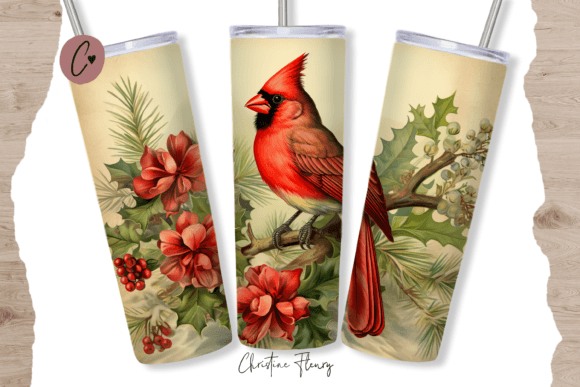
Reviewing the Vintage Christmas Cardinal Tumbler Wrap
First Impressions: Nostalgia Meets Modern Merchandising
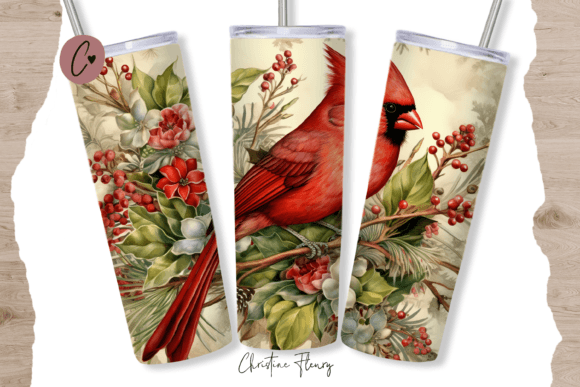
When I first loaded the Vintage Christmas Cardinal Tumbler Wrap into my embroidery software, I wasn't just looking at a digital file; I was evaluating a potential bestseller for the upcoming holiday season. As designers and makers, we know that "vintage" is a loaded term in the Crafts category. It can mean anything from genuinely antique reproduction to overly distressed clip art. Fortunately, this design strikes a sophisticated balance. The cardinal illustration possesses that classic, mid-century greeting card aesthetic without feeling dated or kitschy. The color palette suggests traditional reds and greens but with enough muted tonality to appeal to modern farmhouse and cottagecore demographics.
My immediate thought was not about tumblers, despite the name. While it is marketed as a wrap, the composition’s aspect ratio and focal point make it incredibly versatile for apparel and home decor. The visual weight is centered enough to work as a standalone chest placement on a sweatshirt, yet the horizontal flow allows it to function beautifully across a tote bag or tea towel. For an Etsy seller or small shop owner, this versatility is crucial. You aren't buying a single-use asset; you are acquiring a flexible design element that can anchor multiple product listings.
Real-World Application: Stitching Out a Holiday Sweatshirt
To truly judge any machine embroidery design, you have to move beyond the screen. I decided to test this file on a cream-colored French terry sweatshirt, aiming for a high-end boutique look rather than a craft fair novelty item. My goal was to create a personalized gift sample that would photograph well for social media and demonstrate the design's commercial viability.
During the stitch-out, I paid close attention to how the vintage texture translated to thread. Digital shading doesn't always convert cleanly to physical stitches. In this case, the transition between the cardinal’s feathers and the background foliage utilized a blend of fill stitch and strategic satin stitch outlines. This is a smart digitizing choice. Pure fill can look flat and cheap, while excessive satin can cause puckering on knit fabrics. The design maintained clarity without becoming bulletproof. The registration held up well, meaning the outline didn't drift away from the fill areas—a common failure point in complex nature designs.
For fellow Etsy sellers and apparel decorators, this matters because customer trust hinges on finish quality. If the embroidery looks messy or distorts the garment, returns increase and reviews suffer. This design stitched out cleanly on a medium-weight stabilizer, resulting in a professional finished product that felt soft to the touch rather than stiff and heavy.
Fabric Compatibility and Technical Considerations
While the Vintage Christmas Cardinal Tumbler Wrap performed admirably on fleece, every embroidery project has its limits. Based on my review, here is where you should exercise caution:
- Stretchy Knits and Ribbing: The vintage detailing relies on precise stitch placement. On highly elastic ribbed cuffs or thin jersey, even with cut-away stabilizer, the intricate details may get lost in the fabric texture. Stick to stable knits like French terry or interlock.
- Textured Linens and Canvas: For tote bag design or pillow covers, this motif shines. However, if using a heavy slub linen, ensure your stitch density is sufficient. The vintage shading requires a solid base; otherwise, the fabric grain will show through and break up the image.
- Dark Fabrics: The design likely assumes a light or neutral background given its vintage inspiration. Stitching this directly onto black or navy fabric without a white underlay or applique base will result in muddy colors and lost contrast. Always test on dark scraps first.
- Curved Surfaces: Despite being a "tumbler wrap," applying this to actual curved drinkware via sublimation or adhesive vinyl requires careful distortion correction. If adapting for commercial embroidery on caps, the horizontal layout will need significant re-digitizing to fit a curved brim or front panel properly.
Commercial Value for Makers and Digital Sellers
From a business perspective, this design asset offers strong ROI for creative entrepreneurs. The "cardinal" niche is evergreen in winter sales, but the vintage styling elevates it above generic wildlife embroidery. When creating printable mockups or listing photos, the design’s inherent charm does half the selling work. It evokes emotion, which drives conversions for holiday embroidery goods.
For those selling digital embroidery files, be transparent about the intended use. If you are modifying this for resale or inclusion in a bundle, verify the licensing terms explicitly. Does the license cover commercial embroidery on physical goods only, or does it extend to digital redistribution? Never assume. Protect your shop and respect the original digitizer by confirming these boundaries before listing.
Furthermore, consider how this design pairs with personalization. There appears to be adequate negative space or modifiable areas to add a family name or year. Adding custom text transforms a standard stock design into a premium custom apparel offering. Just ensure the font style matches the vintage typography of the cardinal artwork to maintain brand consistency.
Designer Notes: Best Practices Before You Hoop
Before committing this design to a client order or bulk production run, follow this practical checklist to ensure success:
- Verify Hoop Size and Dimensions: Do not rely solely on the file name. Open the embroidery file in your software to confirm the exact dimensions match your machine’s capabilities. Resizing complex vintage textures by more than 10-15% can degrade stitch quality.
- Test Thread Colors: Vintage palettes can be tricky. What looks like a warm rust on screen might stitch out as bright orange. Run a color chart test or stitch a sample on scrap fabric to verify the mood matches your vision.
- Stabilizer Selection: For this level of detail, I recommend a medium-weight cut-away for apparel and a tear-away for woven home decor. Avoid spray adhesives alone; mechanical hooping provides the tension stability needed for crisp edges.
- Check Small Details: Inspect the beak, eye, and berry stems. If they are running stitches, ensure they are long enough to prevent needle breaks or thread shredding on your specific machine.
- Mockup Testing: Create both light and dark background mockups. This helps you decide if you need to offer multiple colorways or if a single version suffices for your target market.
Final Verdict on Usability and Appeal
The Vintage Christmas Cardinal Tumbler Wrap is more than just a seasonal novelty; it is a robust design asset for serious makers. Its strength lies in its emotional resonance and technical competence. It avoids the pitfalls of overly dense digitizing while delivering the nostalgic aesthetic that current markets crave. Whether you are stitching a baby embroidery keepsake, decorating a boutique window with embroidered pillows, or fulfilling custom sweatshirt orders, this design holds up to scrutiny.
However, success depends on respecting the technical requirements of the file. Treat it as a premium component of your handmade product line. Test thoroughly, pair it with appropriate fabrics, and leverage its vintage charm to tell a story in your marketing. When executed correctly, this cardinal isn't just a bird on a shirt; it’s a testament to quality craftsmanship that customers will cherish and return for year after year. Always remember to check specific file compatibility and license details before beginning your next embroidery project, ensuring your creative vision aligns perfectly with technical reality.