Watercolor Christmas Tree Pattern Review for Real Embroidery Projects
First Impressions: A Festive, Soft Touch for Holiday Embroidery
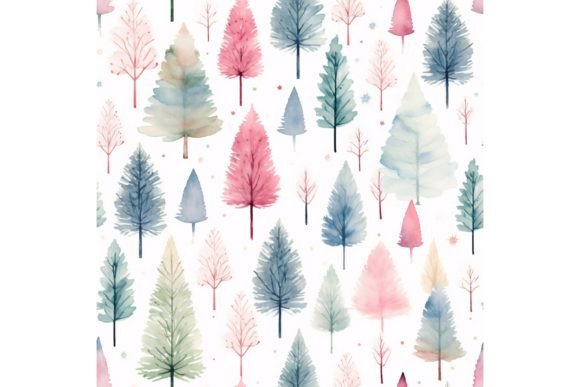
Opening the Watercolor Christmas Tree Pattern, the first thing that strikes me is the soft, painterly quality of the design. It’s clearly crafted with a holiday mood in mind, but instead of the sharp, bold outlines typical of many Christmas motifs, this one leans into a more delicate, artistic feel. The tree itself has a loose, flowing shape with blurred edges that mimic brush strokes. It gives off a cozy, nostalgic vibe — perfect for handmade gifts or boutique-style holiday merchandise.
This isn’t the kind of design you’d use for a crisp, corporate logo or a bold statement piece. Instead, it feels at home on a personalized baby blanket, a custom embroidered tea towel, or a soft sweatshirt for a small holiday collection. The layout is centered and balanced, making it easy to frame in standard hoop sizes without too much editing.
Real-World Use: How It Performs in Embroidery Projects
I recently tested the Watercolor Christmas Tree Pattern on a few different items — a cotton tote bag, a lightweight sweatshirt, and a linen baby burp cloth. Each time, I was curious how the soft aesthetic would translate from digital file to stitched reality.
On the tote bag, the pattern stitched out cleanly with minimal thread breaks. The satin and fill stitches blended well, and the watercolor effect didn’t get lost in translation. It gave the bag a handmade, artisanal look that would be perfect for a craft fair or Etsy listing. On the sweatshirt, the same design held up surprisingly well — the texture of the fabric added a nice contrast to the smooth embroidery, making the tree look even more like a painted accent.
Where it struggled a bit was on the baby burp cloth. The fabric was thinner and slightly stretchy, which caused a few areas of distortion, especially around the tree’s outer edges. It wasn’t a dealbreaker, but it reminded me that this design needs a stable, well-prepped surface to really shine.
Best Applications for the Watercolor Christmas Tree Pattern
- Custom apparel – Works well on sweatshirts, light jackets, and flannel shirts for a soft holiday look
- Personalized gifts – Great for embroidered tea towels, pillow covers, and baby blankets
- Etsy listings – Ideal for seasonal handmade products with a creative, non-traditional style
- Holiday merchandise – Perfect for boutique branding or small shop product lines
- Digital mockups – The design translates well into printable mockups for previewing on tote bags or apparel
If you’re running a craft business or selling on Etsy, this pattern can help you stand out from the usual holiday designs. It adds a touch of artistry without being too abstract — still clearly a Christmas tree, but with a fresh twist.
Where to Use This Design with Caution
While the Watercolor Christmas Tree Pattern is versatile, there are definitely situations where it needs extra attention. For example, I wouldn’t recommend using it on caps or curved surfaces unless you have experience adjusting designs for those applications. The subtle details in the tree’s edges can get distorted or flattened when stitched on a curved hoop.
Dark fabrics also present a challenge. The soft watercolor look relies on subtle color transitions, and those can get lost against a black or navy background. If you’re using this on darker materials, test it in black and white first or consider swapping thread colors to maintain contrast.
Another thing to watch for: the stitch density. There are some denser areas in the trunk and shadowed parts of the tree. On stretchy or thin fabrics, these can cause puckering or fabric distortion. Always test on scrap material first, especially if you’re planning to embroider on baby clothes or lightweight apparel.
Impact on Product Quality and Customer Appeal
From a design standpoint, the Watercolor Christmas Tree Pattern elevates the visual appeal of any product it’s stitched onto. It gives a handmade item a more refined, curated feel — like it was designed by someone who knows what they’re doing. That’s huge for small businesses or Etsy sellers trying to build customer trust and brand consistency.
For personalized gifts, it adds a level of sophistication that makes the finished product feel special. I’ve used it on a few custom embroidered pillows and received comments like, “It looks like it was painted on,” which is exactly the kind of feedback you want when selling handmade goods.
It also holds up well in digital mockups. Whether you’re showcasing it on a tote bag or a sweatshirt, the soft watercolor look adds depth and realism to your product previews — making it easier to sell before stitching.
Practical Designer Notes for Using This Pattern
As a designer who’s worked with hundreds of embroidery files, here are a few key tips I’ve picked up while using the Watercolor Christmas Tree Pattern:
- Always test the design on scrap fabric before stitching on your final product
- Check thread color contrast — especially on dark or textured materials
- Review stitch density and adjust if necessary for thin or stretchy fabrics
- Confirm hoop size compatibility — some soft details may get compressed in smaller hoops
- Inspect small details like the tree’s edge definition and shadow areas
- Test the design in black and white mockups to see how it reads without color
- Use proper stabilizer — especially on stretchy or thin fabrics
- Check licensing terms before selling finished items or digital embroidery files
Also, don’t assume this pattern will work perfectly for every project without tweaking. If you’re using it on a curved surface like a cap, you may need to adjust the design or reduce density to prevent distortion. And if you're selling digital embroidery files or finished products, make sure you have the right license to do so — especially if you’re marketing it as part of a commercial embroidery project.
Final Thoughts: A Festive, Flexible Design for Real Embroidery Work
The Watercolor Christmas Tree Pattern is a solid choice for designers, small business owners, and crafters who want to add a soft, artistic holiday touch to their embroidery work. It performs well in most standard applications, from tote bags to sweatshirts, and it brings a level of visual sophistication that’s hard to find in typical holiday embroidery files.
It’s not a one-size-fits-all design — it needs the right fabric, stabilizer, and thread choices to truly shine — but when used thoughtfully, it can elevate your finished product and impress your customers. Whether you’re creating personalized gifts, boutique merchandise, or digital mockups, this pattern is worth a test run in your next holiday embroidery project.