Watercolor Peacock Backgrounds: A Designer’s Real-World Review
First Impressions: Elegant, Artistic, and Ready for Customization
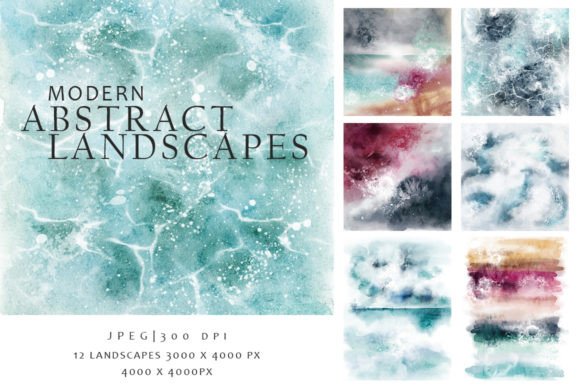
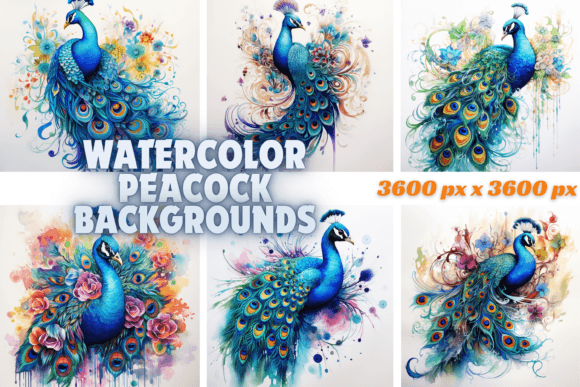
Opening the Watercolor Peacock Backgrounds embroidery file, I was immediately struck by the soft, flowing aesthetic. The design captures the essence of watercolor painting—subtle gradients, blurred edges, and a painterly texture that feels both modern and timeless. The peacock motif is stylized, not literal, which makes it versatile for different applications. It’s the kind of background that works well for both feminine and neutral designs, and it carries a visual weight that feels intentional without being overwhelming.
As a designer, I appreciated the balance between detail and openness. There are areas of denser fill stitch work that give the design body, but also enough negative space to allow for other elements—like monograms, appliqués, or text—to stand out clearly. This makes it a strong candidate for layered embroidery projects where clarity and composition matter.
Real-World Use: From Tote Bags to Baby Onesies
I tested the Watercolor Peacock Backgrounds on a few different materials to see how it would perform in actual use. First, I stitched it onto a cotton tote bag. The softness of the watercolor style blended beautifully with the natural fibers, and the colors I selected gave it a fresh, boutique-like feel. It looked especially good when paired with a simple satin stitch monogram in the corner—elevating the product without making it look busy.
Next, I tried it on a baby onesie. The key here was choosing the right thread colors. I went with muted pastels and skipped the darkest tones to keep the design soft and appropriate for a child’s garment. The result was a subtle, artistic touch that felt handmade but not overly intricate—perfect for Etsy listings or boutique baby gifts.
On a sweatshirt, the background added a unique focal point to the chest area. The stitch density held up well on the thicker fabric, and the watercolor effect gave it a high-end, almost printed look. It didn’t feel like a typical embroidery—it felt more like wearable art, which is exactly what many of my clients are looking for these days.
Where to Use It Carefully
While the Watercolor Peacock Backgrounds performs well in most scenarios, there are definitely situations where it needs a bit more attention. For example, I wouldn’t recommend it for small hoop sizes. The detail and layering can get lost, and the subtlety of the watercolor style may not translate well on a tiny canvas.
Textured or stretchy fabrics also require some extra planning. On a ribbed knit, some of the finer details blurred slightly, and the background lost some of its intended softness. Using a quality stabilizer helped, but I’d still advise caution if you're stitching on stretchy materials like performance fleece or cotton lycra.
Dark fabrics are another consideration. The light threads in the design tend to get swallowed by black or navy backgrounds, so if you're planning to use this on darker garments, test the color palette first. I found that switching to metallic or white threads for the highlights helped bring the design back to life.
Also, be mindful of curved surfaces like caps. The watercolor effect relies on smooth transitions and soft edges, which can get distorted on a curved hoop. If you’re planning to use this on a cap or a curved patch, consider simplifying the file or adjusting the layout to maintain visual integrity.
Impact on Product Value and Customer Appeal
From a business perspective, the Watercolor Peacock Backgrounds adds a clear value boost to any finished product. It elevates the handmade look without feeling overly complicated. For Etsy sellers and small shop owners, that’s a sweet spot—something that looks professional and unique, but doesn’t require advanced digitizing skills.
Customers respond well to this kind of design. It feels artistic and intentional, which helps build trust in your brand as a creative entrepreneur. Whether it's on a pillow cover or a personalized tote, the background adds a touch of sophistication that makes the item feel more gift-worthy.
It also plays well with branding. If you're building a cohesive line of embroidered products—say, for a boutique or a seasonal collection—this background can serve as a unifying element across different items. It pairs well with both modern and traditional fonts, and its color adaptability makes it easy to match your brand palette.
Designer Notes: What to Check Before You Stitch
Before diving into a full project, I always recommend a few basic tests:
- Run a test stitch on scrap fabric to see how the watercolor effect holds up on your chosen material.
- Check thread color contrast—especially if you're using dark fabrics.
- Review stitch density to avoid puckering or thread breakage, particularly on stretchy materials.
- Confirm hoop size compatibility, especially if you're planning to resize the design.
- Inspect small details like feather edges to ensure they won’t get lost after washing or wear.
- Test the design in black and white mockups to see how it translates without color.
- Compare how it looks on light versus dark fabric to determine which works best for your project.
- Use the appropriate stabilizer—especially for textured or stretchy fabrics.
- Check licensing if you plan to sell finished items or include the design in digital product bundles.
Also, if you're selling digital embroidery files or mockups, make sure to include clear previews of the Watercolor Peacock Backgrounds on different fabric types. This builds confidence in your buyers and reduces confusion later on.
Final Thoughts: A Versatile Background with Real Design Value
Overall, the Watercolor Peacock Backgrounds is a solid addition to any embroidery designer’s toolkit. It brings a unique visual style that’s both elegant and adaptable. Whether you're creating custom apparel, personalized gifts, or commercial embroidery projects, this design has the flexibility to fit into a wide range of applications.
It’s not just a background—it’s a design element that tells a story. And in today’s market, where customers are looking for meaningful, handcrafted touches, that’s exactly what makes a product stand out.